Underprepared and/or Overscheduled? Why Overuse Injuries Are So Common in Dancers
 Dr. Chelsea Moehlenbrock
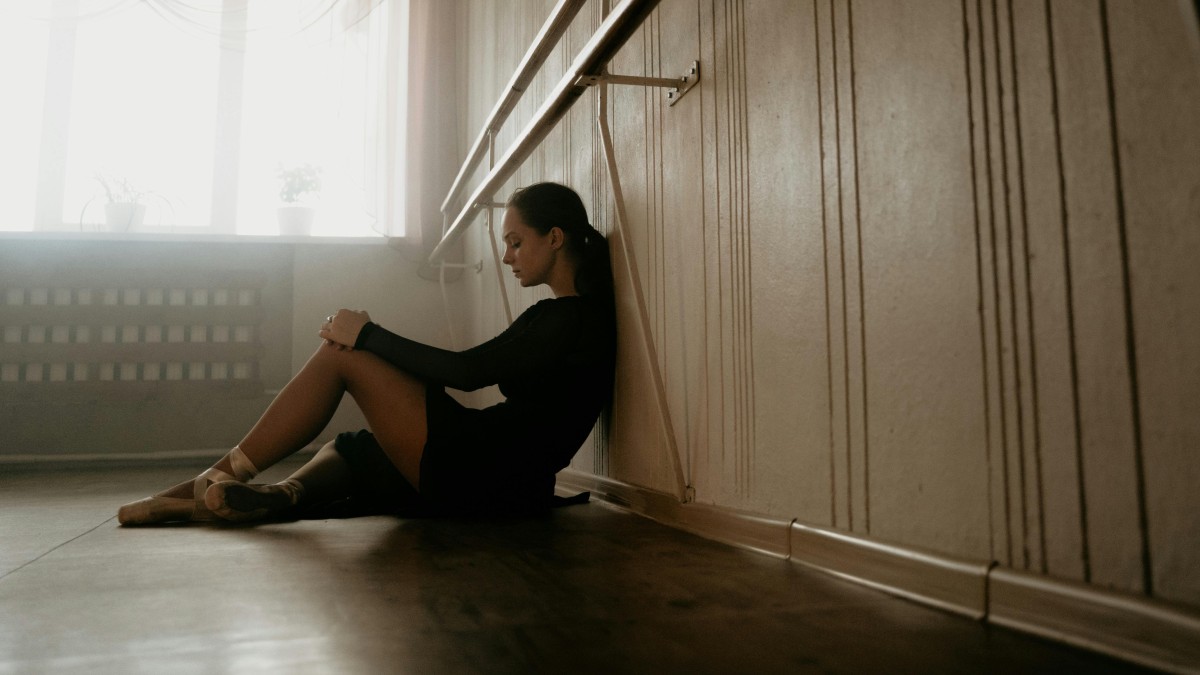
Overuse injuries are a common injury in the dance world. Dance training is highly repetitive and dancers’ bodies are put on repeated stresses over and over again. So when a dancer gets labeled as having an overuse injury, it can sound like the solution is simple: do less. But in dance, “overuse” is often a misleading label.
Many so-called overuse injuries happen when the body is asked to do more than it’s currently prepared to handle, or when a dancer’s schedule doesn’t allow enough time to recover between training demands.
This matters even more as we head into summer intensives, when training volume can jump fast.
What people mean by “overuse”
“Overuse” injuries usually mean pain that builds gradually over time from repetitive movements rather than from one obvious moment (a fall or a landing gone wrong). Common examples in dancers include:
Achilles tendon pain at the ankle
Shin pain
Hip flexor irritation
Patellar tendon pain at the knee
Low back tightness that becomes persistent
The problem: “overuse” describes how it feels (gradual) but not why it’s happening.
A more useful way to think about these injuries is:
Load = what your body is being asked to do (class hours, rehearsals, jumps, pointe work, new choreography, travel, sleep loss)
Capacity = what your body can currently tolerate (strength, tissue tolerance, technique efficiency, nutrition, sleep, stress)
Pain often shows up when load rises faster than capacity.
Factors Contributing to Overuse Injuries
1) Sudden spikes in training
Even if the schedule looks “normal,” a spike can happen when:
Rehearsals start or increase for a show
Competition season ramps up
A dancer adds privates + conditioning + extra classes
Summer intensive begins (new floor, new shoes, new teachers, more hours)
The body can adapt—but it needs time and the right inputs.
2) Underprepared tissues (strength + endurance)
A dancer can look “strong” in class but still be underprepared for:
Repetitive high number of jumps
Long rehearsal blocks with minimal breaks
Multiple days in a row of high volume (hours of dance)
Pointe demands layered on top of everything else
Jump landings on hard surfaces
New choreography with new kinds of movements compared to what a dancer is used to
Often, it’s not that the dancer is doing something “wrong.” It’s that their baseline strength/endurance hasn’t been built to match the season they’re entering.
3) Recovery is missing from the schedule
Overscheduling isn’t just too many hours in the studio. It’s also:
Not enough sleep
Not enough food (especially carbs + protein)
Not enough downtime between sessions
Mental and emotional stress load from school, travel, relationships, performances
Cognitive load being high with learning a lot of new choregraphy
Recovery is not optional—it’s part of training.
Even good changes can temporarily increase load.
The goal isn’t to do less—it’s to prepare smarter
If you’re dealing with an overuse injury, the answer is not “stop dancing forever.” It’s much more nuanced and needs to consider the bigger picture in order to:
Adjust load so symptoms calm down
Build capacity so the body can handle what dance demands
Plan recovery like it’s a training variable
Quick self-check: are you underprepared or overscheduled?
Consider these questions if you’re noticing any nagging pains or soreness:
Has your weekly dance volume increased in the last 2–4 weeks?
Are you doing more jumps, pointe, or rehearsals than last month?
Are you sleeping less than 8 hours most nights?
Are you eating enough to feel energized through class (not just “getting by”)?
Do you have at least one true rest day each week?
Are you sore in the same spot every day, and it’s slowly getting worse?
If you answered “yes” to several, you may be in a load/capacity mismatch.
Preparing for summer intensives: what I want dancers (and parents) to know
Summer intensives are a great opportunity—but they’re also a predictable time for injuries to show up because of the intense spike in the number of hours of dancing. Here are some ways to reduce a dancer’s risk of getting injured:
1) Start building capacity now (4–8 weeks out)
Depending on what kind of summer intensive you are preparing for, here are some areas to focus on:
Calf strength + endurance
Hip strength (glutes, deep rotators)
Foot intrinsic strength
Core endurance (anti-extension/anti-rotation)
Jump prep (landing mechanics + progressive plyometrics)
2) Don’t wait for pain to become a “thing”
Early signs to take seriously:
Pain that gets a little better with warming up but returns after class
Pain that lingers into the next day
Needing more taping/bracing just to get through class
Increasing stiffness or swelling
3) Plan recovery like a strategy
Sleep quality is part of training
Fueling your body with the right nutrition is part of training
Rest days are part of training
4) Have a plan for modifications
A good plan includes understanding:
What to reduce first (often jumps, pointe volume, or rehearsal intensity)
What to keep (barre, technique work, strength training)
What objective markers you’re using to progress back
What to do if you think you have an “overuse” injury
If pain is building, the best next step is a targeted assessment to figure out:
What tissues are irritated
What’s driving the overload (volume, technique, strength deficits, recovery)
What modifications will keep you dancing while you rebuild capacity
Overuse injuries are a clear message from your body that you’re lacking balance in your dance training.
They’re a sign that your body needs a better bridge between where you are now and what your schedule is asking you to do.
If you want help building that bridge before summer intensives, reach out. The earlier we address it, the easier it is to keep you dancing.
I have read and agree to the terms & conditions. We will not spam you.