Returning to Dance After Summer: A 6 Week Ramp-Up Plan
 Dr. Chelsea Moehlenbrock
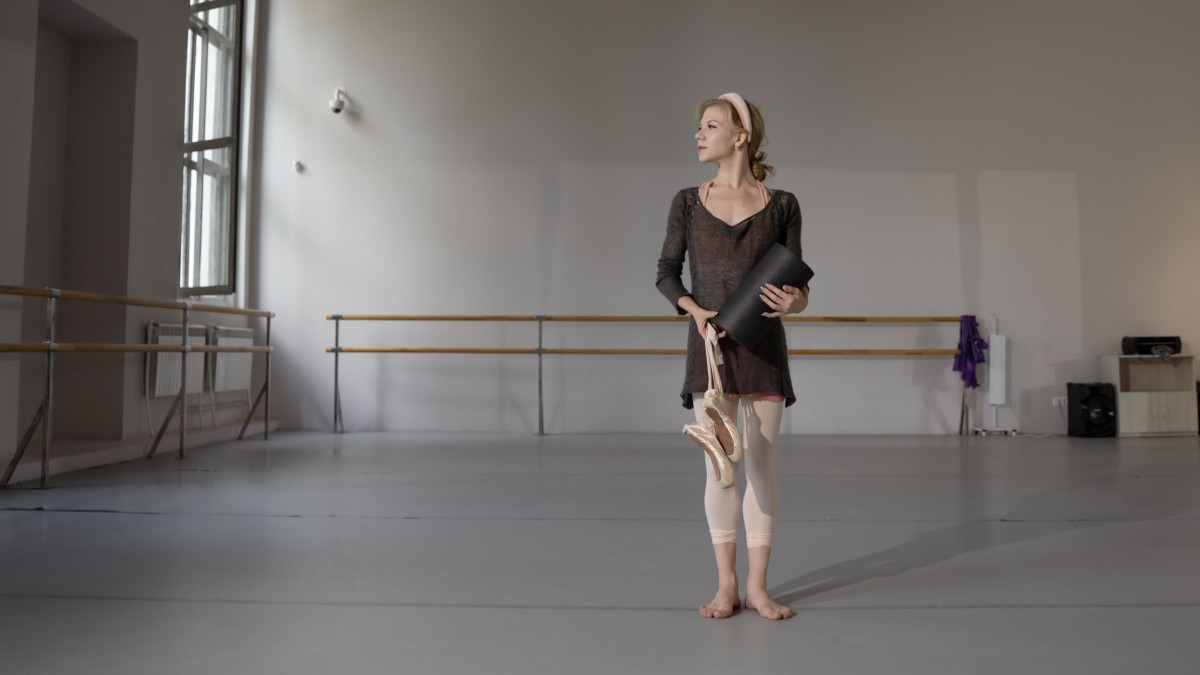
Summer break can be exactly what a dancer needs—more sleep, less pressure, a mental reset. But when August hits and classes ramp up fast, the body needs a slow re-introduction to the water, not a cannonball into the deep end.
When returning from a longer break, you may feel sore in weird places, struggle with stamina, or notice your extensions and jumps feel harder than expected. A structured ramp-up isn’t about “taking it easy.” It’s about intentionally rebuilding capacity so you keep your body safe, train consistently, improve faster, and reduce injury risk.
Why the first few weeks back matter so much
After time off (even if you stayed active), your dance-specific conditioning changes:
Tissue tolerance drops: calves, feet, hips, and back may not be ready for the same volume of releves, jumps, turns, or partnering work that you were doing at the end of the previous season.
Endurance fades faster than technique memory: you may remember the combination, but not have the same strength or stamina to execute it as cleanly as you would have in the middle of the season.
Compensation shows up quickly: when range of motion returns faster than control, dancers often “grip” in certain parts of the body to force height or turnout.
A big theme I see every August: dancers (and teachers) expect “pre-summer dancing” on day one. That expectation is where overload starts.
“Muscle memory” is real… but it doesn’t mean you’re ready
You might remember how to do the movement and what it used to feel like, but that doesn’t mean your body is prepared for:
multiple days per week of multiple hours of class
long center work
repetitive jumping/landing
rehearsals layered on top
In other words: coordination can come back quickly, but capacity takes time.
Think like an athlete: use a pre-season mindset
In sports, training is often planned in phases (called periodization) so athletes build toward peak performance at the right time.
Dance can and should use the same concept.
When you return after a break, you’re essentially in a pre-season phase—a time to rebuild dance-specific strength, conditioning, and fundamentals before the heavy rehearsal and performance months.
A helpful takeaway: pre-season should last at least ~6 weeks for many dancers, especially if summer included a true reduction in class volume (which is a good thing for your body).
A simple 3-phase ramp-up you can use:
This is a studio-friendly structure you can apply, particularly if you're a dancer or teacher planning the few months back.
Phase 1 (Weeks 1–2): Rebuild the base
Goal: re-establish fundamentals and tolerance.
Keep class intensity moderate (especially for younger/recreational dancers)
Prioritize alignment, turnout control, foot/ankle mechanics, and core support
Limit “max effort” range (no forcing turnout or 120° extensions on day one)
Don’t do large jumps the first week or two, tendon tolerance to jump landings takes time to build back
Try ramping up days too: start with 2–3 days/week before jumping to 5+ days
Phase 2 (Weeks 3-4): Gradually build volume, then intensity
Goal: increase total workload in a way your body can actually adapt to.
This is the phase where a lot of dancers get into trouble—not because they’re “weak,” but because the schedule ramps faster than the tissues can recover.
Focus on one variable at a time:
Volume first: add minutes/days/reps before you add “harder” skills
Then intensity: increase speed, height, range, and complexity once dancers are tolerating the volume appropriately and recovering each day (meaning they don’t have soreness or fatigue)
Practical ways to do this in the studio:
Add days per week gradually (ex: 2–3 days → 4 days → 5 days)
Increase center length before adding lots of big allegro
Reintroduce relevé and pointe work in smaller doses (quality > quantity)
Keep “max height” extensions, multiple turns, and jump combo lenghts reasonable until control and endurance are back
If you’re cross-training (which I recommend), keep it supportive during this phase:
2 short strength sessions/week can maintain the base you built over the summer (if you did your off-season strength training)
If dance volume jumps up, strength volume may need to stay steady or even decrease temporarily to keep from overwhelming your body
Phase 3 (Weeks 5-6+): Gradually increase intensity and impact
Goal: reintroduce more center combos, traveling work, more complex turns, and jumping.
Add across-the-floor and multiple longer small jump combos with more intensity first before adding in long demanding grande allegro combos
Avoid increasing volume (number of jumps), intensity (effort level needed for the jump), and impact (directional changes, single leg landings, etc) all at the same time.
Quality over quantity - more isn’t better if landings get noisy or alignment breaks down due to fatigue
Watch for the common intensity spike: when intensity suddenly increases over multiple days and pain shows up
Don’t skip the warm-up and cool-down (especially in August)
Two simple habits make a huge difference when you’re rebuilding capacity:
Warm-up: dynamic movement to increase temperature, activate key muscle groups, and mobilize main joints before technique class actually starts
Cool-down: your flexibility might not be the same after returning from an extended break. Taking time after class to stretch when your muscles are actually warm is beneficial.
Monitor early signs
A ramp-up works best when dancers communicate early if they notice any tendons, joints, muscles, or ligaments being painful. Encourage dancers to speak up about:
heel or Achilles soreness
gripping hip pain
low back fatigue
swelling or lingering joint soreness
severe muscle soreness or muscle soreness that lasts more than 3 days
pain that increases during class or lasts into the next day
Don’t look at these being “red flags” right away. These are often signs the training load increased faster than the body could adapt—and small adjustments early can prevent a bigger setback.
A quick note for teachers (and parents)
For many recreational dancers—especially kids—summer is for being a kid. It’s normal and healthy if they didn’t practice dance all summer. In fact, it’s better for their bodies to get a break from the repetitive nature of dance training.
Planning for that reality (instead of being frustrated by it) is one of the most effective ways to keep dancers healthy and confident.
The goal: build capacity now so you can thrive later
A thoughtful August ramp-up sets you up for a stronger fall:
fewer overuse injuries
better technique under fatigue
more consistent training
more confidence heading into rehearsals and performances
If you need help creating a personalized return-to-dance plan (especially if you’re coming back from injury, starting pointe, or increasing training days), find a dance medicine/science specialist near you.
I have read and agree to the terms & conditions. We will not spam you.